


Selective Justice Undermining Ghana’s Anti-Corruption Fight – Prof Kwasi Prempeh
 Mary Adofo
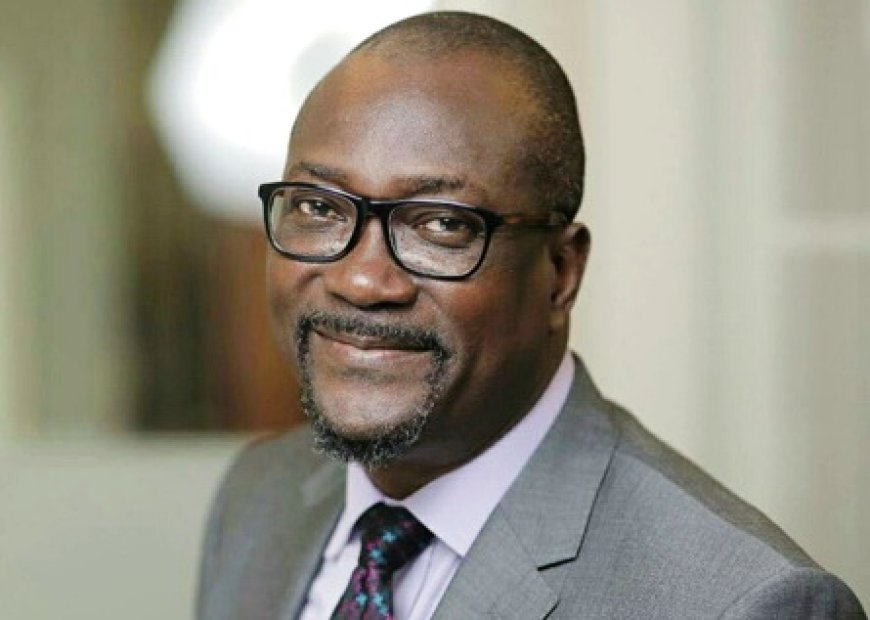
Chairman of the Constitution Review Committee, Prof. Henry Kwasi Prempeh, says selective justice is destroying public trust in Ghana’s anti-corruption system and weakening confidence in key state institutions.
Questioning the effectiveness of the current structure, Prof Prempeh asked why the system has failed if it was ever meant to work. “It’s obvious that if it was going to work, why hasn’t it worked?” he asked, noting that Ghana has experimented with different models, including career attorneys general, yet the flaws persist.
He pointed out that Ghana’s current arrangement is inherently political. “Our current attorney general setup is not a career attorney general setup. It is a politician, Attorney General, setup,” he said.
Prof Prempeh stressed that constitutions are designed for real people, not ideal actors. “We are human beings. Constitutions are made for human beings, right?” he said, adding that it is unrealistic to ignore the political nature of the office.
According to him, the conflict becomes even more pronounced when the Attorney General is an active politician. “This is going to be run by a human being. He is a politician,” he said, noting that in some cases the Attorney General is also a sitting Member of Parliament.
He explained that this reality fuels public suspicion and erodes confidence in prosecutions. “If you came and said, look, I’m going after this target genuinely, because evidence is leading me this way, Ghanaians will doubt you,” he said.
Political labels, he added, often overshadow facts. “Oh, you are going after this person because you are NDC and he’s NPP,” he said, stressing that no explanation can fully repair such mistrust.
Prof Prempeh said many systems have drawn lessons from experience and moved away from granting prosecutorial power to political actors. “They’ve concluded that this attorney general is not doing the prosecution matters well,” he said.
Ghana’s own evidence, he noted, points in the same direction. “When you give prosecutorial power to a politician, Attorney General, this is how it works,” he said, while acknowledging rare exceptions such as the United States.


