


GRA to Abolish COVID Levy, Reduce VAT Rate, Scrap Flat Rate Scheme from 2026
The eradication of the COVID-19 levy in 2026 by the GRA
 Hilda Appiah
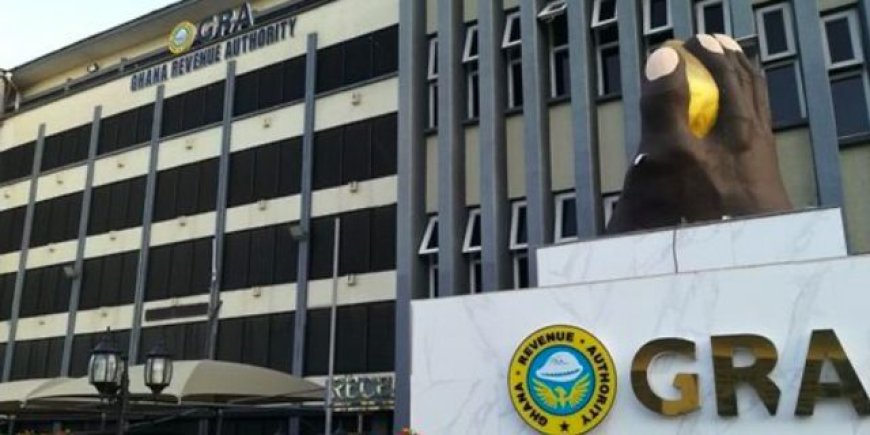
The Ghana Revenue Authority (GRA) has announced a major overhaul of the country’s Value Added Tax (VAT) system, with key reforms set to take effect from January 1, 2026.
Under the new VAT regime, the COVID-19 Health Recovery Levy will be abolished, ending the temporary tax introduced during the pandemic. The Authority will also reduce the VAT rate as part of measures aimed at easing the tax burden on businesses and consumers.
In addition, the VAT Flat Rate Scheme (VFRS), which mainly applies to retailers, will be scrapped and replaced with a unified VAT structure. The move is expected to improve transparency, simplify compliance, and reduce distortions within the tax system.
As part of the reforms, the VAT registration threshold for goods dealers has been significantly increased, allowing many small and medium-scale businesses to operate outside the VAT net unless they meet the new minimum turnover requirement.
The GRA further indicated that the National Health Insurance Levy (NHIL) and the GETFund levy will be re-coupled, enabling businesses to claim input tax credits and reducing the cascading effect of taxes along the supply chain.
According to the Authority, the changes are intended to modernise Ghana’s VAT system, promote business growth, and strengthen domestic revenue mobilisation while ensuring fairness in tax administration.
Taxpayers and businesses have been encouraged to familiarise themselves with the new framework ahead of its implementation in 2026.


